
BEST Funeral Directors – KNOW YOU’RE IN GREAT CARE
What To Do When Someone Dies
When someone dies, it can be hard to think clearly. Most people need two things straight away: a simple overview of what happens next, and clear guidance for the specific circumstances of the death.
This page gives you a quick step-by-step overview first. Then, if you need more detailed help, you can go straight to the guide that matches your situation.
At Best Funerals, we help families connect with a trusted, independent Best Funeral Director who offer personal, local care and clear support at one of life’s most difficult times.
Need immediate help? Call Best Funerals anytime, day or night.
Enter your postcode to see the Best Funeral Director we have carefully selected in your area. Or call us on 0333 242 2368.
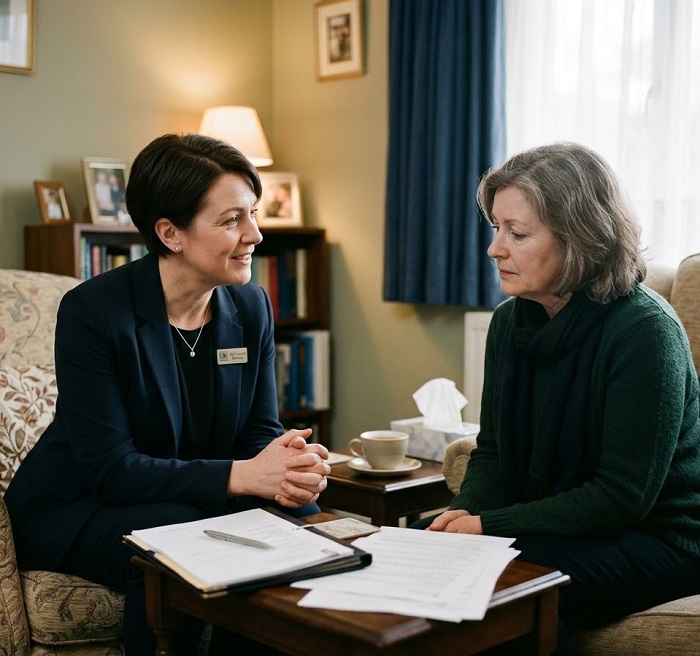
A quick overview of what to do when someone dies
After the death of a loved one, and in most cases, the next steps look like this:
- A doctor, medical professional, or emergency service confirms the death.
- The relevant paperwork is prepared, or the coroner becomes involved if needed.
- The death is registered.
- You choose a funeral director.
- Funeral arrangements begin.
- Practical matters such as notifying organisations and dealing with the estate follow.
Firstly, identify the situation
Choose the situation that best matches how the death has occurred, and click the link for more detailed information on the next steps to take.


Death at Home
This guide explains what to do when someone dies at home, who to call, what happens next, and how to get the right support.

In a Care Home
This guide explains how families are informed, what the care home will do, and what practical steps come next.

Death in Hospital
This guide explains what happens after the death, when you can spend time with your loved one and when to choose a funeral director.
Sudden or Unexpected
This guide explains the practical steps to take in the UK, who to call, and what happens next.

Death Abroad
This guide explains who to contact first, what British authorities can help with and when to choose a funeral director.

Child Death
This guide explains the first practical steps with care, clarity, and sensitivity and guidance on child funeral arrangements.
What happens immediately after a death?
The first steps to be taken depend on the circumstances of the death – where the death occurred and whether it was unexpected or sudden.
-
If someone dies at home: You may need to contact the GP or call 999, depending on whether the death was expected or sudden.
-
If someone dies in hospital: Staff will explain what happens next and how medical certification is handled.
-
If someone dies in a care home: Staff will usually contact the GP and guide the family through the next stage.
-
If someone dies unexpectedly: The coroner may need to be involved before further arrangements can be made.
-
If someone dies abroad: You may need to deal with local authorities, official paperwork, and arrangements for bringing the person home.
-
If a baby or child dies: There may be additional procedures, specialist bereavement support, and dedicated guidance from hospital teams, registrars, or other professionals.
What are the main steps to take after someone dies?
Although every situation is different, most families will need to deal with the following.
1. Confirmation of death
A medical professional or emergency service must formally confirm the death. What to do exactly depends on the location and the circumstances of the death. Read more information about the particular circumstances that are more relevant to you; a death at home; death in a care home; death in hospital; sudden or unexpected deaths; death abroad or child or baby deaths.
2. Medical certificate or coroner process
If the cause of death is known and there are no concerns, a medical certificate will usually be issued. If the death was sudden, unexplained, or happened in certain circumstances, it may be referred to the coroner.
3. Registering the death
The death must be registered before the funeral can go ahead. The process depends on where in the UK the death occurred.
In England and Wales, a death is usually registered within five days, unless the coroner is involved.
In Scotland, a death should normally be registered within eight days. Registration is handled by the local registrar, and the documents issued will allow funeral arrangements to proceed.
In Northern Ireland, a death is usually registered within five days, unless the coroner is involved.
Read more about registering a death.
4. Choosing a funeral director
This is often one of the most important decisions a family will make. The right funeral director can provide reassurance, explain the process clearly, and make sure your loved one is cared for with dignity and respect.
Many families want someone local, trusted, and personally involved, rather than a large national provider or a confusing list of options.
Best Funerals helps families find carefully selected independent funeral directors across the UK. We work with one trusted provider in each area, making it easier to find personal, compassionate local care.
Read our guide to Choosing a Funeral Director
5. Arranging the funeral
Once you have chosen a funeral director and the required paperwork is in place, funeral arrangements can move forward. This may include deciding on burial or cremation, choosing the type of service, and making personal arrangements.
Read our guide to Arranging a Funeral
6. Dealing with practical matters after the funeral
After the immediate steps, there may be other responsibilities such as informing banks, insurers, pension providers, and government departments.
Read more about what to do after a funeral.
When should you contact a funeral director?
Many people ask this early on. In most cases, you can contact a funeral director as soon as you feel ready, even if some paperwork is still being processed.
The right funeral director can help you understand the process, explain what can happen now and what must wait, and make sure your loved one is cared for properly.
How Best Funerals can help
Best Funerals has carefully selected the finest independent funeral directors in the UK. We work exclusively with one trusted provider in each area, which means you won’t have the confusion of searching to find a trusted provider.
With Best Funerals, you can feel confident you’re in the very best hands. Families can access highly experienced, local experts who will provide the care and personal support you need.
Read more about Best Funerals.
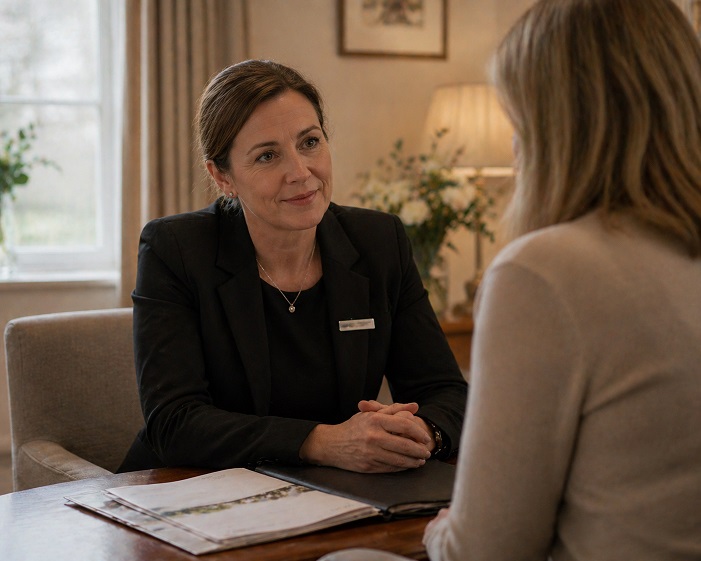
Choose Best Funerals for trusted local care.
Share your postcode and we’ll match you with your local Best Funeral Director – carefully vetted for compassion, professionalism, and quality, so you can move forward with confidence.
Why the circumstances matter
People often search for what to do when someone dies because they need urgent clarity. But the right answer depends heavily on the circumstances.
For example:
- A death at home may involve the GP or emergency services.
- A death in a hospital is managed differently by hospital staff.
- A death in a care home follows another process again.
- A death abroad can involve consular support and transport arrangements.
- The death of a baby or child involves specialist support.
That is why we’ve designed this page as a starting point: to give you a quick overview, then direct you to the most detailed guidance that is relevant to your situation.
Frequently Asked Questions
You are likely to have many questions about what to do when a loved one dies, we’ve provided answers to some of the commonly asked questions we hear in this section.
What should I do first when someone dies?
First, identify where the person died and whether the death was expected. That will determine who you need to contact first and what happens next.
Do I need to register the death before arranging a funeral?
Not always. You can often begin speaking to a funeral director before registration is complete, although the funeral itself usually cannot take place until the required paperwork has been issued.
What happens if someone dies unexpectedly?
If a death is sudden or unexplained, it may be referred to the coroner. This can affect how quickly documents are issued and when funeral arrangements can proceed.
Which guide should I read first?
Start with the guide that matches the circumstances of the death. That will give you the most relevant and practical next steps.
Find the right next step
If you are trying to work out what to do when someone dies, begin with the overview above, then choose the page that best matches your situation.
This approach can help make an overwhelming process feel more manageable, one step at a time.
If you would like help finding a trusted, independent funeral director in your area, Best Funerals is here to guide you towards compassionate local support.
Find your Funeral Director here
Available At All Times
01234 567890