
BEST Funeral Directors – KNOW YOU’RE IN GREAT CARE
What to Do When Someone Dies at Home
When someone dies at home, it can be difficult to know what to do first. In the first few moments, many people feel shocked, upset and unsure of the next step.
Whether the death was expected or unexpected, having clear guidance can make an overwhelming situation feel a little more manageable.
At Best Funerals, we help families find a trusted local funeral director who can provide compassionate care and practical support from the very beginning.
Enter your postcode to see the Best Funeral Director we have carefully selected in your area. Or call us on 0333 242 2368.
Immediate steps after a death at home
This guide explains what to do when someone dies at home, who to call, what happens next, and how to get the right support. It is designed to help families understand the immediate practical steps after a death at home, while also giving reassurance during a very distressing time.
What you need to do depends on whether the death was expected or unexpected.
If the death was expected
An expected death at home usually means the person was living with a terminal illness, receiving palliative care, or their doctor was aware that death was likely.
If someone dies at home and the death was expected, the usual steps are:
- Take a moment and spend time with your loved one if you wish.
- Call the GP, district nurse, hospice nurse or out-of-hours medical service.
- Wait for a qualified professional to verify the death.
- Choose a funeral director when you feel ready.
- Contact the funeral director to arrange for your loved one to be brought into care.
If the death happens during the night and it was expected, you do not usually need to call anyone immediately. In many cases, you can wait until the morning to contact the GP or nurse. There is normally no medical emergency if the death was anticipated.
If the death was unexpected
If someone dies suddenly at home and the death was not expected, call 999 straight away.
An unexpected death at home may include situations where:
- The person was not known to be seriously ill
- The cause of death is unclear
- The death was sudden or unexplained
- The person had not recently been seen by a doctor
- There may need to be police or coroner involvement
The ambulance service and police may attend. This is standard procedure in many sudden deaths at home and does not mean anyone is under suspicion. Their role is to confirm what has happened and make sure the correct process is followed.
Read more about sudden or unexpected deaths.
Choose Best Funerals for trusted local care.
Share your postcode and we’ll match you with your local Best Funeral Director – carefully vetted for compassion, professionalism, and quality, so you can move forward with confidence.
Who to call when someone dies at home
One of the most common questions families ask is who to call when someone dies at home.
A simple guide is:
- Expected death at home: call the GP, district nurse, hospice team or out-of-hours service
- Unexpected death at home: call 999
- Expected death during the night: in most cases, you can wait until morning to call the GP or nurse
If you are ever unsure, it is always better to ask for guidance. Even a brief conversation with a medical professional can help you feel clearer about what to do next.
What happens after a death at home
Once the death has been verified, the next steps usually include:
- Spending some time with your loved one, if you wish
- Choosing a funeral director
- Contacting the funeral director
- Arranging for your loved one to be taken into care
- Obtaining the Medical Certificate of Cause of Death, where applicable
- Registering the death
- Beginning funeral arrangements
Not everything has to happen at once. Families often worry that they must make every decision immediately, but that is rarely the case. The most important thing is to take the first practical step, then move forward one stage at a time.
Can someone stay at home after they have died?
Yes. After a death at home, there is no immediate need for your loved one to be moved straight away. Many families choose to sit with them for a while, say goodbye in private, or wait for close relatives to arrive.
There is no strict legal time limit for how long someone can remain at home after death, but in practice most families arrange collection within 24 to 48 hours. Timing can depend on room temperature, the condition of the body, and whether there are any medical or coroner-related issues.
For many people, this time at home can feel important. It can offer a quieter, more personal goodbye before formal arrangements begin.
Saying goodbye at home
For some families, spending time with their loved one at home is an important part of the grieving process. You may wish to sit with them, play music, say prayers, invite close family members to visit, or simply have a few quiet moments together.
There is no right or wrong way to approach this. Some people find comfort in being present; others prefer not to. What matters is doing what feels right for you and your family.
If you have religious or cultural customs that need to be observed after death, let the funeral director know as early as possible. They can help ensure these wishes are respected.
What if the death happens during the night?
If someone dies at home during the night and the death was expected, you can usually wait until the morning before calling the GP or district nurse. Many families worry they must do something immediately, but if the death was expected there is often no urgency.
You may wish to:
- Sit quietly with your loved one
- Call close family members
- Contact a friend for support
- Rest if you are able
If the death was unexpected, however, you should call 999 straight away, regardless of the time.
Getting the Medical Certificate of Cause of Death
After an expected death at home, the doctor involved in the person’s care will usually issue the Medical Certificate of Cause of Death. This document is needed before the death can be formally registered.
The timing can vary depending on the GP surgery or local process. Sometimes the certificate is sent directly to the register office, and sometimes the family is told what to do next by the surgery or medical team.
If the death was sudden, unexplained, or there are uncertainties about the cause of death, the certificate may not be issued immediately. In those cases, the death may be referred to the coroner.
When the coroner may be involved
The coroner is an independent official who investigates certain deaths.
A death at home may be referred to the coroner if:
- The cause of death is unknown
- The death was sudden or unexplained
- The person had not been seen recently by a doctor
- The death may have involved an accident, injury or unusual circumstance
- There are legal or medical reasons why further investigation is needed
If the coroner becomes involved, this can affect the timeline for paperwork and next steps. In some cases, a post-mortem may be required. In others, the coroner may decide no further investigation is necessary and allow the process to continue.
For families, this can feel unsettling, but it is a normal part of the legal process in certain deaths at home.
Read more about involvement of the coroner.

Choosing a funeral director after a death at home
After someone dies at home, one of the most important decisions is choosing the right funeral director. This often happens at a time when families feel emotionally drained and under pressure to act quickly.
A funeral director can help by:
- Bringing your loved one into their care
- Advising on the next immediate steps
- Liaising with doctors, hospitals or the coroner where needed
- Explaining what happens after a death at home
- Guiding you through the early practical decisions
Read our guide about Choosing a Funeral Director.
This is where Best Funerals can help.
Rather than leaving you to search online through countless providers at one of the hardest moments of your life, we help you choose a trusted independent funeral director in your area.
We have already carefully selected one provider in each area based on standards of care, professionalism, reputation and local presence.
That means you do not have to face the stress of comparing unfamiliar companies while grieving. Instead, you can feel confident you are being connected with someone who will provide personal, compassionate support.
Read more about Best Funerals.
Bringing your loved one into care
Once you have chosen and contacted a funeral director, they will arrange to bring your loved one into their care. This is usually done with dignity, sensitivity and respect, and the funeral director will explain what happens before they arrive.
Many families worry about this step because it can feel very final. A good funeral director will never rush you unnecessarily. They will talk you through the process, answer questions calmly, and make sure you feel supported.
If you want a little more time before collection, this can often be discussed, depending on the circumstances.
Practical things to do after a death at home
After the immediate steps have been taken, there are a number of practical matters that may need attention in the following days.
These may include:
- Informing close family and friends
- Securing the home if the person lived alone
- Caring for pets
- Gathering important documents
- Returning medical equipment
- Contacting banks, insurers and utility providers
- Beginning to deal with the estate
It can help to write things down and take one task at a time. Many people find it difficult to think clearly in the first days after a bereavement, so having support from relatives, friends or a funeral director can make a real difference.
Medical equipment in the home
If your loved one had hospital equipment, oxygen, a hospital bed, or other medical items at home, these will usually need to be returned. In most cases, the district nurse, hospice team or equipment provider can advise you on what happens next.
There is usually no need to deal with this immediately in the first few hours after death. Focus first on the essential steps and ask for help when you are ready.
Supporting children after a death at home
If children are present when someone dies at home, or if they are told about the death soon afterwards, it is usually best to use clear, simple and honest language. Children often need reassurance, routine and the chance to ask questions in their own time.
Every child responds differently. Some may want to talk; others may seem unaffected at first. There is no single right way for a child to grieve.
If you are supporting a bereaved child, it can help to:
- Explain what has happened in age-appropriate language
- Answer questions honestly
- Keep routines as steady as possible
- Let them express feelings in their own way
- Seek specialist support if needed
Frequently asked questions
If a loved one has died at home you are likely to have many questions about what to do next. We’ve answered some of the most commonly asked questions here.
Q: Who do you call when someone dies at home?
Q: What happens if someone dies at home unexpectedly?
Q: What should you do first when someone dies at home?
Q: Can a body stay at home after death?
Q: Do you call a funeral director straight away after a death at home?
Q: What happens if someone dies at home during the night?
Q: Does the coroner get involved in every death at home?
Q: How long do you have to register a death after someone dies at home?
Looking after yourself in the first few days
When someone dies at home, the emotional impact can be immediate and intense. Even simple tasks can feel exhausting. You may feel numb, tearful, anxious, confused or unable to concentrate. All of these reactions can be normal in the early stages of grief.
Try, where possible, to:
- Drink water and eat something light
- Rest when you can
- Accept help from people you trust
- Avoid making too many major decisions at once
- Ask for support if you feel overwhelmed
You do not have to carry everything on your own.
Related next steps
After a death at home, families often need guidance on the next stages too, including:
- How to choose the right funeral director
- How to register a death
- How to arrange a funeral
- What practical tasks need to be handled after a funeral
These are all important parts of the process, but they are often easier to manage once the immediate situation at home has been dealt with.
Need help after a death at home?
If someone has died at home and you need guidance now, Best Funerals is here to help. We can talk you through what to do next and arrange for our selected Best Funeral Director in your area to contact you. They will care for your loved one with compassion, dignity and professionalism.
At a time when everything feels uncertain, having the right support can make all the difference.
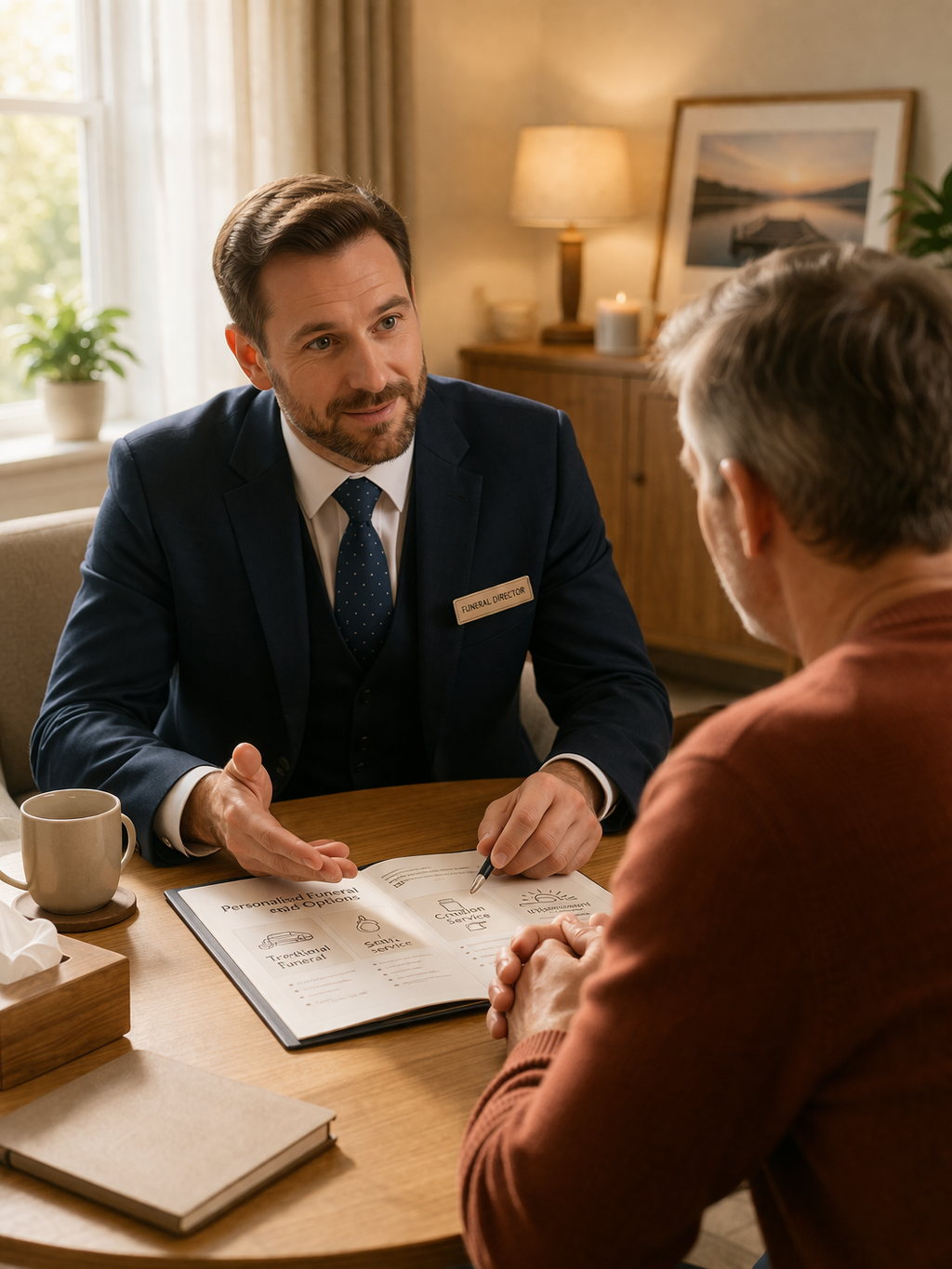
Choose Best Funerals for trusted local care.
Share your postcode and we’ll match you with your local Best Funeral Director – carefully vetted for compassion, professionalism, and quality, so you can move forward with confidence.