BEST Funeral Directors – KNOW YOU’RE IN GREAT CARE
How a Funeral Director Can Support You After a Funeral
The days and weeks after a funeral can feel strangely quiet. For many families, it’s only after the ceremony that the reality of the loss truly lands.
This page explains the three most common ways a Best Funeral Director continues to help and provide support after a funeral.
Enter your postcode to see the Best Funeral Director we have carefully selected in your area. Or call us on 0333 242 2368.
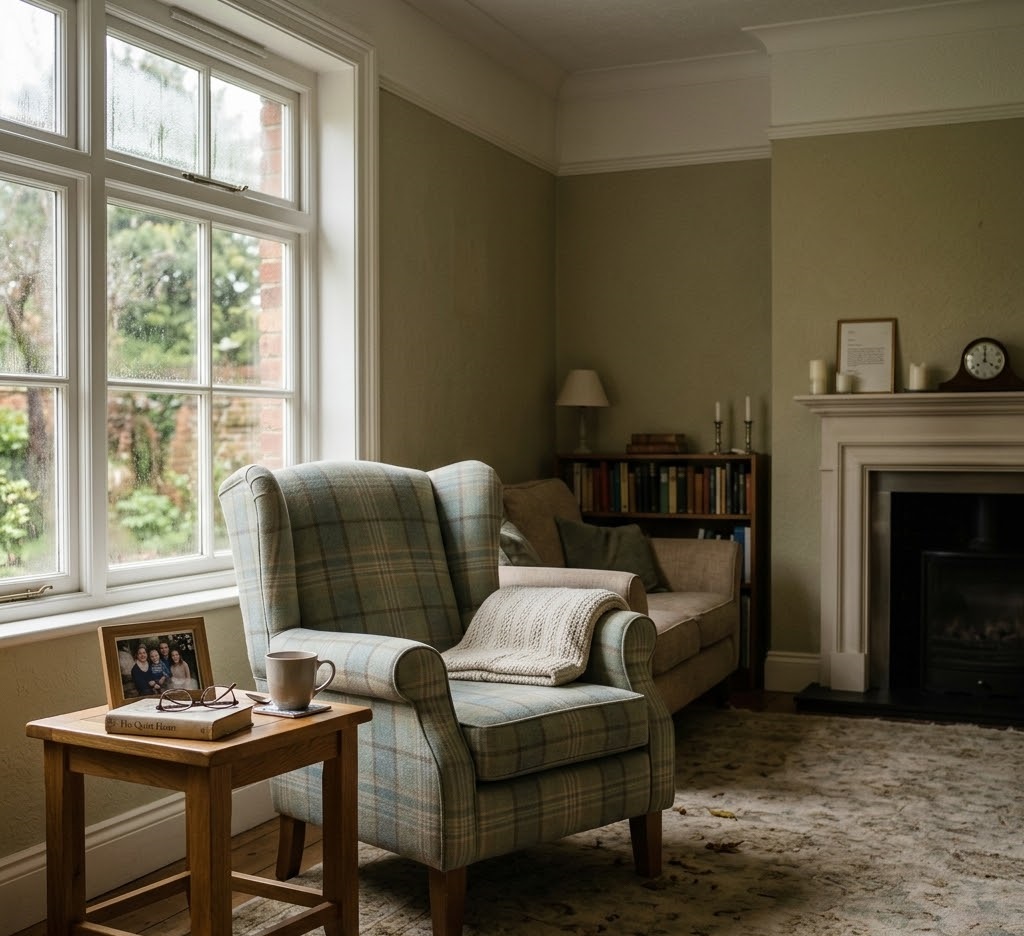
The days after the funeral
A Best Funeral Director doesn’t simply “finish” their work when the funeral ends.
Many continue to support families in practical and human ways after the funeral – whether that’s offering a listening ear, helping you find bereavement support, or guiding you through meaningful ways to remember the person who has died.
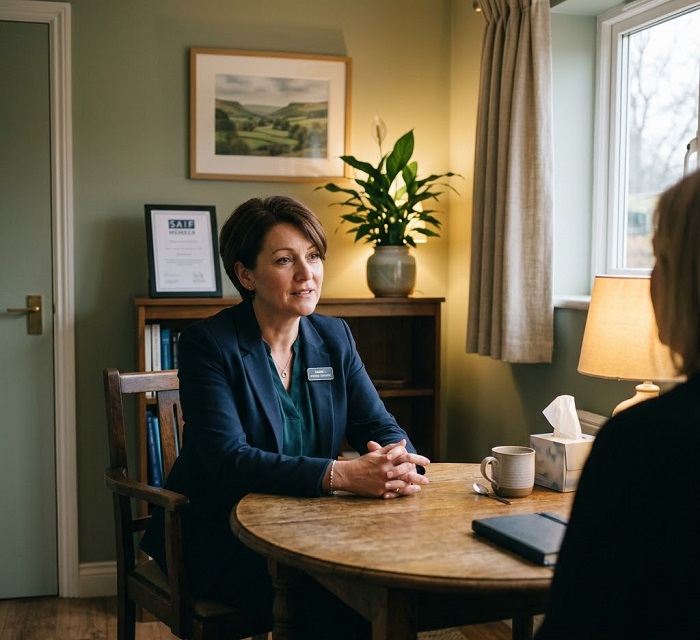
An open door – a place to talk and ask questions
Many independent funeral directors have an open door policy. That means you’re welcome to get in touch – or sometimes to drop in – if you need to talk, ask a question, or simply feel supported by someone who understands what you’ve been through.
This can be helpful if:
- You’re struggling and want support in the days after the funeral and want to speak to someone who knew the situation
- You have questions you didn’t think to ask at the time (for example about paperwork, ashes, or memorial options)
- You want reassurance that what you’re feeling is normal
- You need help explaining what has happened to children or other family members
The Best Funeral Directors will also check in with you after the funeral, to ensure you have the support around you to help you cope with adjusting to life without the person you loved.
Read more about Best Funerals.
Choose Best Funerals for trusted local care.
Share your postcode and we’ll match you with your local Best Funeral Director – carefully vetted for compassion, professionalism, and quality, so you can move forward with confidence.
Bereavement support and signposting
Funeral directors are not grief counsellors, but many are experienced in supporting people through bereavement and can help you find the right kind of help.
Depending on the funeral director, they may:
- Offer their own bereavement support (for example, a bereavement coordinator, support sessions, or local groups)
- Provide information packs about grief and what to expect
- Signpost you to trusted bereavement charities and local services
- Recommend specialist support (for example, for child bereavement, traumatic loss, suicide bereavement, or complicated grief)
If you’re not sure what you need, it’s still worth asking. A Best Funeral Director will listen and help you take the next step at your pace.
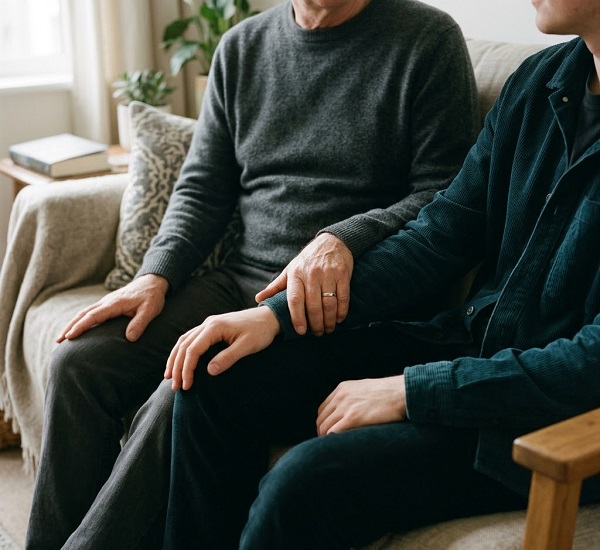
Memorial services and ways to remember
For many families, the funeral is only one part of saying goodbye. A memorial can be held weeks or months later, once you’ve had time to breathe, gather people, and decide what feels right.
Memorials can be formal or informal. They can be religious, spiritual, or entirely non-religious. They can be private, or open to a wider community.
Many Funeral Directors provide services to help and support you arrange a memorial after the funeral.
Below are some common options, depending on whether the funeral was a cremation or a burial.
Memorial options after a cremation
After a cremation, families often choose one (or a combination) of the following:
- A memorial service at a later date: This may take place in a church, a place of worship, a crematorium chapel, a community hall, or somewhere meaningful.
- Scattering ashes: Ashes may be scattered in a garden of remembrance, at sea, or in another permitted location. Your funeral director can explain what’s allowed and what permissions you may need.
- Interring ashes: Ashes can be buried in a cemetery or churchyard, placed in an existing family grave, or interred in a dedicated plot.
- Placing ashes in a columbarium or memorial wall: Some crematoria and cemeteries offer niches or memorial walls where ashes can be kept and visited.
- Keeping ashes at home (if that feels right for you): Some families keep ashes at home for a time, or permanently. A funeral director can advise on urn options and what to consider.
- Ashes jewellery and keepsakes Some families choose a small keepsake urn, jewellery, or another memorial item that holds a tiny amount of ashes. A Best Funeral Director can explain the options and help you choose something appropriate.
A memorial plaque, bench, or tribute Options vary by location. Some places offer plaques, benches, trees, or other lasting tributes.
A Best Funeral Director will also understand that there’s no rush. When you’re ready, they can guide you through the choices and help you make arrangements in a calm, supportive way.
Memorial options after a burial
After a burial, memorial choices often include:
- A headstone, kerb set, or memorial plaque A permanent headstone usually can’t be placed immediately after the funeral. There is often a waiting period to allow the ground to settle, and cemeteries and churchyards may have specific rules about materials, sizes, designs, and inscriptions. A Best Funeral Director will understand the local rules and restrictions that apply and can guide you through the process.
- An inscription or additional wording on an existing family memorial If there is already a family grave, it may be possible to add an inscription.
- A memorial service or gathering Some families hold a separate memorial event later, especially if people travelled for the funeral or couldn’t attend.
- Grave tending and flowers Some families arrange regular grave visits, seasonal flowers, or grave tending services.
- A lasting tribute This might be a bench, tree, charity fundraising, or a community tribute that reflects the person’s life.

Frequently asked questions
Below are answers to some of the questions families often ask after the funeral. If you can’t see what you need, it’s always OK to contact your funeral director – even weeks or months later – for calm guidance and support.
Q: Do funeral directors help after the funeral?
A: Many do. While the practical arrangements may be complete, a Best Funeral Director often continues to support families – by being available to talk, signposting to bereavement services, and helping with memorial choices.
Q: Can I contact the funeral director weeks or months later?
A: In many cases, yes. Many funeral directors welcome families getting in touch after the funeral, especially if you have questions or need guidance.
Q: Do funeral directors offer bereavement counselling?
Some funeral directors provide bereavement support directly, but many will signpost you to specialist services or charities. If you need urgent mental health support, it’s important to seek medical help straight away.
Q: What is the difference between a funeral and a memorial service?
A: A funeral usually takes place soon after the death and may include the committal (cremation or burial). A memorial service is often held later and can be more flexible – it may not include a committal and can take place in many different settings.
Q: What can we do with ashes after a cremation?
A: Common options include scattering ashes, burying or interring them, placing them in a columbarium, keeping them at home, choosing ashes jewellery or a keepsake, or arranging a memorial tribute such as a plaque or bench. A Best Funeral Director can explain what’s possible in your area.
Q: When can we place a headstone after a burial?
A: Often not immediately. Many cemeteries and churchyards require a waiting period before a permanent memorial is installed, and there may be rules about design and materials. A Best Funeral Director can advise on local requirements and typical timelines.
Q: Do we have to decide memorial plans straight away?
A: No. Many families take time. It’s normal to wait until you feel ready, and many memorial options can be arranged weeks or months later.
How to ask your funeral director for support after the funeral
If you’re unsure what’s available, you can ask simple questions such as:
- “Do you have an open door policy if we need to talk?”
- “Can you recommend bereavement support locally?”
- “What memorial options do you see families choosing most often?”
- “Is there anything we need to do next, or can we take our time?”
If you don’t feel ready to speak, you can ask a family member or friend to contact the funeral director on your behalf.
Next steps
If you’d like, we can help you understand what support is available locally and what memorial options may suit your family.
If you need to arrange a funeral today, Best Funerals can help you find a trusted, independent funeral director in your area – carefully selected for exceptional care, clear guidance, and local support.

Choose Best Funerals for trusted local care.
Share your postcode and we’ll match you with your local Best Funeral Director – carefully vetted for compassion, professionalism, and quality, so you can move forward with confidence.