BEST Funeral Directors – KNOW YOU’RE IN GREAT CARE
Personalising a Funeral
Personalising a funeral is a way to reflect someone’s life, values, and personality – while still keeping the day respectful, manageable, and true to what feels right for your family.
This page is here to offer inspiration and clear options without overwhelming detail.
Enter your postcode to see the Best Funeral Director we have carefully selected in your area. Or call us on 0333 242 2368.

Ways to personalise a funeral
A funeral doesn’t have to follow a set template. Many families choose to personalise a funeral so it reflects the person who has died – their beliefs, personality and the life they lived.
In this guide, we’ll share thoughtful, practical ways to personalise a funeral in the UK, helping you create a meaningful service that feels right for your loved one and supportive for everyone attending.
Funeral types
The type of funeral you choose affects everything else: the venue, timings, service format, and what’s possible for music, readings, and personal touches.
For an overview of the main options, see: Types of funerals in the UK.
Families commonly choose between:
- Burial or cremation
- A religious service, a non-religious service, or a humanist ceremony
- A traditional attended funeral, a small private service, or an unattended direct cremation
- A more natural approach, such as a woodland or eco-friendly funeral (where available)
If you’re unsure, our Best Funeral Directors can explain the options in plain English and help you choose what best fits your wishes, timescales, and budget.
Funeral styles
A funeral’s style is the overall tone of the day – and it can be as traditional or as contemporary as you want.
Some families prefer a familiar structure with formal elements. Others want something more relaxed, such as a celebration of life with stories, favourite music, and personal tributes.
Common funeral styles include:
- Traditional (often faith-led, with a set structure)
- Contemporary (flexible, with modern music and personal readings)
- Celebration of life (focused on memories, stories, and the person’s character)
- Simple and private (small attendance, minimal ceremony, with personal touches added in other ways)
Personalisation doesn’t have to mean “more”. Even one or two thoughtful choices can make a funeral feel unique.
Who will lead the service
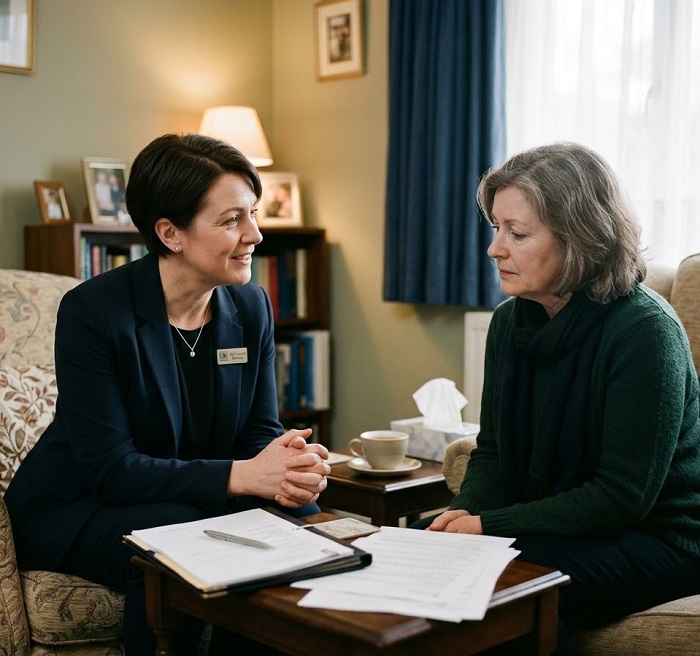
One of the biggest choices is who will lead the funeral service – because they help set the tone, guide everyone through the order of events, and support you with readings, music, and tributes.
Families often choose:
- A minister or faith leader (if religion is important to the person or family)
- A celebrant (often non-religious or lightly spiritual, focused on the person’s life story)
- A family-led service (where family and friends lead the tributes and structure themselves)
There’s no right answer. What matters is choosing an approach that feels respectful and authentic. Our Best Funeral Directors can help you understand what each option involves and what tends to work well at your chosen venue.
Choose Best Funerals for trusted local care.
Share your postcode and we’ll match you with your local Best Funeral Director – carefully vetted for compassion, professionalism, and quality, so you can move forward with confidence.
Coffins
Choosing a coffin can feel like a big decision, especially when you’re already dealing with a lot. For many families, the coffin is a focal point of the funeral service – and they want to choose something the person would have liked, or that reflects their style, tastes, or interests in some way.
Coffins can vary by:
- Material (for example, traditional wooden designs, American style caskets, wicker coffins, bamboo and cardboard coffins)
- Finish and style (traditional, classic, sleek and modern, painted or colourful)
- Design and personalisation (for example, picture coffins, themed designs, or a simple nameplate)
Some families also add personal touches to the coffin through flowers, a message, or a small item placed with the person (where permitted). Our Best Funeral Directors can explain what’s available locally and what’s suitable for burial or cremation.
Transportation and the processional journey
The journey to the funeral can be one of the most meaningful parts of the day. Families often choose to personalise:
- The hearse (traditional motor hearse or more distinctive options)
- Who travels with the coffin (limousines or family-owned cars, a small convoy, or something simpler)
- The final route (for example, starting from home or passing a meaningful place: a home, workplace, local landmark, or favourite view)
If you’d like ideas, some families choose options such as:
- A horse-drawn hearse
- A motorbike and sidecar hearse
- A Land Rover hearse
- A Subaru hearse
- A Morris Minor hearse
- A flat-bed lorry hearse
- A colourful hearse or a vehicle that reflects the person’s character
If you have a particular idea, our Best Funeral Directors can advise on what’s possible locally and what needs to be arranged in advance.
Flowers
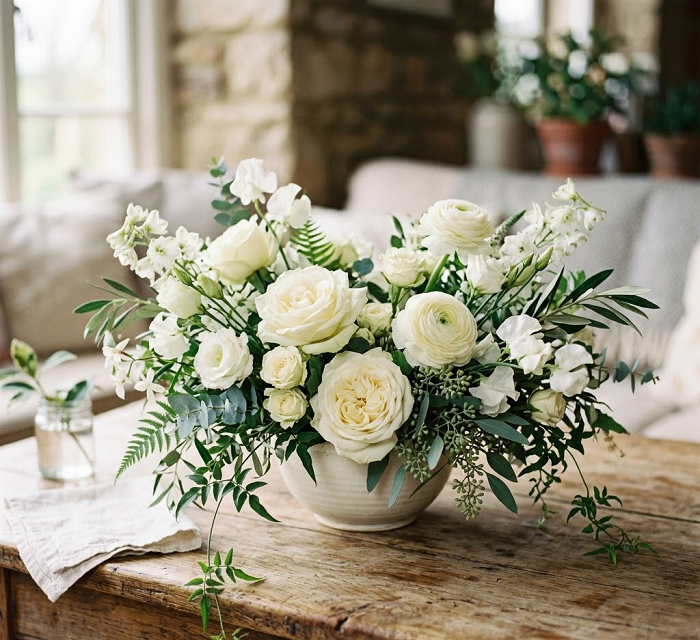
Flowers can be a beautiful way to express love and remembrance – but they’re optional. Some families prefer a single arrangement, something seasonal and simple, or donations to a charity instead.
Ways to personalise flowers include:
- Choosing meaningful colours or favourite flowers
- Keeping it minimal (one family tribute) or inviting many small tributes
- Using alternatives (candles, photos, memory tables, or handwritten messages)
Our Best Funeral Directors can help you choose something that feels right and suits the setting.
Music
Music can set the tone, bring comfort, and capture someone’s personality in a way words sometimes can’t.
Many services include:
- Entrance music
- A reflective piece during the service
- Exit music
This can be hymns, classical music, modern songs, or something unique to the person.
As well as recorded music, you may wish to include live music. This could be as simple as a church organist, or professional musicians or singers. Sometimes, if there are musical people in the family or wider friendship group, they may want to play their own special tribute.
Our Best Funeral Directors can advise on what the venue supports and whether live music is possible.
Readings
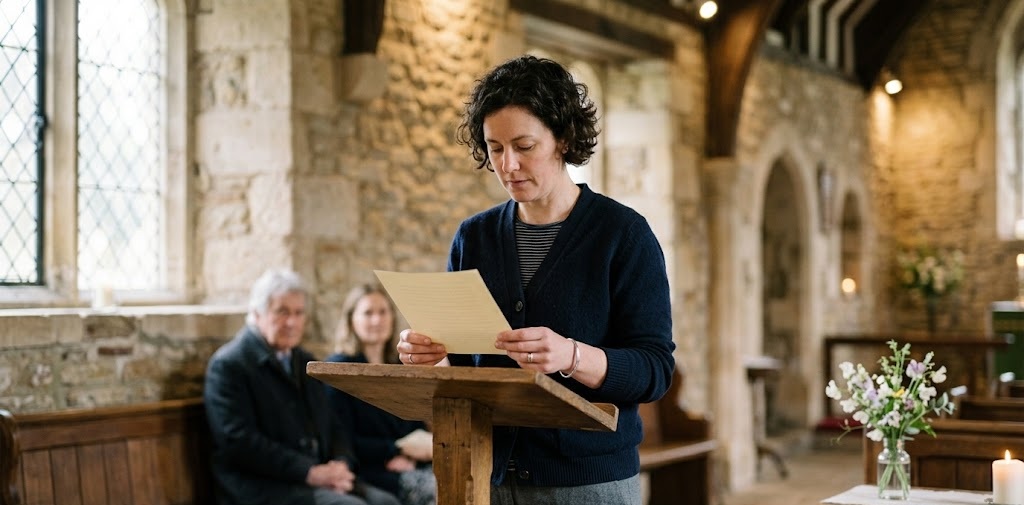
Readings can be traditional, spiritual, literary, or completely personal – such as a letter written by a family member.
Options include:
- A favourite poem
- A short passage from a book
- Religious or non-religious readings
- Words written by family and friends
If speaking feels too difficult on the day, our Best Funeral Directors can help you plan alternatives – for example, asking someone else to read on your behalf.
Eulogies
A eulogy is a tribute that captures who someone was – the roles they played in people’s lives, what mattered to them, and the small details that made them them.
A eulogy can be:
- Written and delivered by a family member or friend
- Shared between several people (a few short tributes rather than one long speech)
- Delivered by the celebrant or minister, based on what you tell them
There’s no “perfect” eulogy. The most meaningful ones are often simple, honest, and full of real memories.
Orders of service sheets
An order of service helps guests follow along and can become a keepsake for family and friends.
It often includes:
- The order of events
- Music choices
- Readings
- Names of speakers
- A photo and a few words about the person
Some families keep it very simple. Others add personal touches such as a favourite quote, a short poem, or a small collage of photos.
Videos and photo montages
A short photo montage or video can help people connect, remember, and celebrate a life – especially when guests may not all know each other.
This might be:
- A slideshow of photos set to music
- A short video message from family members
- A display of printed photos and keepsakes instead (if the venue has limited AV)
Our Best Funeral Directors can tell you what the venue’s screens and sound system can support.
The wake
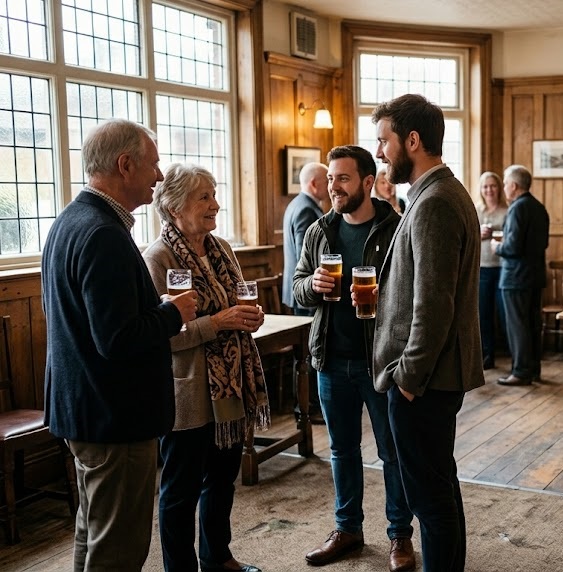
For many families, the wake is where stories are shared and support is felt most strongly. It can be formal or informal, large or small.
Common ways to personalise a wake include:
- Choosing a venue with meaning (a local pub, community hall, family home)
- Playing their favourite music
- Sharing photos, objects, or a memory book
- Serving food and drink that feels like “them”
Some families also choose to hold a separate gathering later – but it’s entirely optional.
Personalising a funeral on a budget
A meaningful funeral doesn’t have to be expensive. Often, the most personal touches cost very little.
Budget-friendly ways to personalise a funeral include:
- Choosing one standout element (a song, a reading, a colour theme)
- Writing your own tribute or asking others to share short memories
- Using seasonal flowers or a single arrangement
- Creating a photo display at the wake rather than a full venue montage
- Keeping the funeral simple, and choosing whether or not to hold a separate gathering later
Personalising a funeral checklist
Use this checklist to gather ideas and make decisions step by step:
- Funeral type: burial or cremation? attended, private, direct cremation, or a woodland/natural option (where available)?
- Style and tone: traditional, contemporary, celebration of life, simple and private?
- Who will lead the service: minister, celebrant, or family-led?
- Venue: crematorium, church, cemetery chapel, woodland setting, or another option?
- Coffin choice: traditional, modern, wicker, colourful, picture coffin, or something that reflects their tastes
- Transportation: hearse type, who travels, and whether to choose a meaningful route
- Music: entrance, reflective piece, exit (recorded and/or live)
- Readings: poems, passages, letters, religious/non-religious options
- Eulogy/tributes: who will speak, and whether the celebrant/minister will help tell their story
- Photos/video: montage, slideshow, printed photos, memory table
- Flowers or alternatives: arrangements, donations, candles, memory book
- Order of service: simple format, photo, quote, or small personal touches
- Dress code/colours: traditional black, a colour theme, or “come as you are”
- Wake: where, who to invite, what to serve, and any personal touches
- Budget priorities: what matters most, and what you can keep simple
Best Funerals is here to help
If you want a funeral that feels personal – without feeling overwhelmed – we can help.
Best Funerals connects you with a carefully selected, independent funeral director in your area, chosen for their care, professionalism, and local reputation. We’ll help you understand your options and make choices that feel right.
Read more about Best Funerals, or speak to us for guidance, or to be matched with the trusted Best funeral director in your area.

Choose Best Funerals for trusted local care.
Share your postcode and we’ll match you with your local Best Funeral Director – carefully vetted for compassion, professionalism, and quality, so you can move forward with confidence.