BEST Funeral Directors – KNOW YOU’RE IN GREAT CARE
Funeral arrangements: from the first call to the final farewell
When someone dies, the list of things that need doing can arrive all at once.
There is paperwork to understand, family to contact and a funeral to arrange. You may already know exactly what your loved one wanted. You may have no idea where to begin. Either is completely normal.
The first call to Best gives you a clear place to start. We will listen, explain the immediate next steps and instruct the carefully selected local Best Funeral Director for your area.
They will bring your loved one into local professional care when the necessary permission is in place, meet with your family and arrange the funeral through their own established local business.
Enter your postcode to see the Best Funeral Director we have carefully selected in your area. Or call us on 0333 242 2368.

What are funeral arrangements?
Funeral arrangements cover the practical and personal decisions needed to care for someone after their death and organise their funeral.
They include:
- bringing the person who has died into professional care;
- deciding between burial and cremation;
- choosing the type and style of funeral;
- agreeing the date, time and venue;
- selecting a coffin;
- arranging the hearse and any family transport;
- choosing who will lead the ceremony;
- planning music, readings and tributes;
- organising flowers, notices and printed materials;
- arranging the committal and anything that happens afterwards.
That may sound like a great deal to decide, but it rarely happens in one rush.
A good funeral director takes the arrangements one stage at a time, explains the choices in plain English and keeps track of the details on your behalf.
A funeral can usually take place after the death has been registered, unless it has been reported to a coroner. However, a funeral director can be arrange and discussions can begin before every administrative step is complete.
How funeral arrangements work with Best
1. Call Best on 0333 242 2368
Tell us what has happened and where the person who has died is currently resting.
You do not need to know the type of funeral, the date or every family preference. The first conversation is about understanding your circumstances and getting the right local care underway.
2. Best confirms your local funeral director
Best carefully selects one independent Best Funeral Director for each area, considering their local reputation, people, facilities, professional standards and care.
We confirm the funeral director appointed for your area and securely pass on the information needed for them to begin supporting you.
3. Your loved one is brought into local care
When the necessary medical or coroner permission is in place, the local funeral director arranges collection using suitable people, vehicles and equipment.
Your loved one is then cared for locally in professional funeral premises.
4. The funeral arrangement meeting takes place
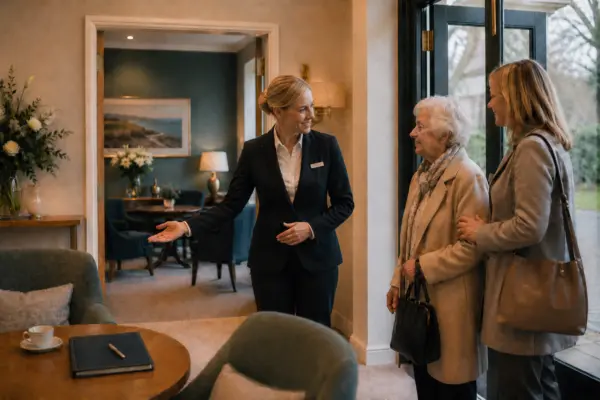
The funeral director meets with you to discuss the funeral. This may happen at the funeral home, by telephone, through a video call or, where the local team offers it, at your home.
You can bring another family member or friend for support if you’d like.
5. The local team arranges and delivers the funeral
Your funeral director liaises with the venue, crematorium or cemetery, minister or celebrant, florists and anyone else involved.
They then conduct the funeral and remain your local point of contact throughout.
Best’s role is to provide the national reassurance and clear route into care. The local Best Funeral Director provides the arrangements through their own people, premises and established name. Best remains available if additional support is needed.

Start making funeral arrangements
One call to Best gives you clear guidance and trusted local care.
Call 0333 242 2368 to arrange a Best Funeral. We will explain the next step and instruct the Best Funeral Director selected for your area.
What needs deciding now — and what can wait?
One reason funeral arrangements feel overwhelming is that every decision can appear equally urgent. But that’s not quite how it works.
Decisions needed early
| Usually needed first | Why it matters |
|---|---|
| Burial or cremation | Affects the venue, paperwork and availability |
| Religious, non-religious or another tradition | Helps identify the right officiant and service format |
| Broad type of funeral | Establishes whether it will be attended, simple, traditional or direct |
| Preferred area or venue | Allows suitable dates to be checked |
| Any urgent faith or cultural requirements | Some traditions affect care and funeral timing |
Decisions that can come at a later stage
| Can often be considered later | Examples |
|---|---|
| Music | Entrance, reflection and closing pieces |
| Readings and tributes | Poems, prayers, eulogy and family contributions |
| Flowers | One family tribute, several arrangements or charitable donations |
| Printed materials | Order of service, photographs and wording |
| Transport details | Family cars, limousines and the procession route |
| The gathering afterwards | Home, pub, hotel, hall or another local venue |
The first conversation does not lock you into every detail. Its purpose is to get the right support in place and give the funeral a clear direction.
A funeral then takes shape in layers.
What happens at a funeral arrangement meeting?
The meeting gives your family time to talk through what the funeral should look and feel like.
You may be asked about the person’s:
- name and personal details;
- religion, beliefs or cultural background;
- wishes for burial or cremation;
- personality and interests;
- family and close relationships;
- favourite music, readings or places;
- funeral wishes or written instructions;
- existing grave, funeral plan or insurance policy.
The funeral director will also discuss the practical arrangements.
Burial or cremation
This is usually one of the first major choices.
For burial, the team may need to check whether there is an existing family grave or whether a new grave is required.
For cremation, they will discuss suitable local crematoria, service availability and what should happen to the ashes afterwards.
The type of funeral
Your family might choose:
- a traditional attended funeral;
- a simple attended funeral;
- a religious ceremony;
- a civil or humanist funeral;
- a celebration of life;
- a burial or graveside service;
- an unattended direct cremation.
Best Funerals focuses on attended and full funeral services. Families considering an unattended service can view the dedicated options through Best Direct Cremation.
The ceremony
You can discuss:
- who will lead the service;
- where it will take place;
- the length and tone;
- music;
- prayers or readings;
- the eulogy;
- family contributions;
- photographs and video tributes.
Some families arrive with a full list of ideas. Others begin with one song or one story.
Both give the funeral director something useful to work with.
The final journey
The arrangements may include:
- the hearse;
- family limousines;
- relatives travelling in their own cars;
- family or professional pallbearers;
- leaving from the funeral home or family home;
- passing a meaningful local place;
- travelling directly to the venue.
The smaller details
The team can also help with:
- the coffin;
- flowers;
- funeral notices;
- orders of service;
- charitable donations;
- clothing for the person who has died;
- visiting the chapel of rest;
- the wake or gathering afterwards.
A typical arrangement meeting may cover many subjects, but decisions can be confirmed over further calls and conversations.


Making the funeral feel like them
Funeral arrangements work best when they begin with the person rather than the products.
You might tell the funeral director:
- what made them laugh;
- the communities they belonged to;
- the music they played repeatedly;
- how formal or informal they were;
- whether faith was important;
- the places that felt like home;
- what they would have disliked;
- the people they would want involved.
From there, the funeral can begin to find its own character.
A polished hearse and formal ceremony may feel exactly right. So might bright flowers, a football scarf, a favourite soul song or a wake in the pub where everyone knew their name.
Personal touches do not need to be large or expensive. One detail that everyone recognises can say more than a long list of additions.
You can read more in our personalising a funeral page.
Understanding funeral costs
The final funeral cost depends on the local funeral director’s services, third-party fees and the choices made by the family.
A written quotation should separate:
Funeral director services
These may include:
- arranging and conducting the funeral;
- collection and professional care;
- the coffin;
- funeral staff;
- the hearse;
- use of funeral premises;
- administration and coordination.
Third party costs
Sometimes called disbursements, these can include:
- crematorium fees;
- cemetery or grave fees;
- minister or celebrant fees;
- church charges;
- doctors’ fees where applicable;
- notices or venue costs.
The government advises that funeral costs can contain both the funeral director’s fees and payments made to other organisations on the family’s behalf.
Additional choices
These might include:
- limousines;
- an upgraded coffin;
- flowers;
- printed materials;
- an extended ceremony;
- specialist vehicles;
- catering or memorial items.
Your local Best Funeral Director will explain what is included and prepare a quotation based on the funeral you are actually arranging.
Best’s position is fair, transparent value alongside excellent local care. It is not built around pushing every family towards the lowest headline price.
Clear arrangements. Clear costs.
Call Best on 0333 242 2368
We will listen to what your family needs and instruct the local Best Funeral Director to explain the available services and prepare a written quotation.
The care behind the arrangements
Families see the meeting, the hearse and the funeral ceremony.
But much of the most important work happens when they are not present.
The local funeral director may be:
- coordinating the collection;
- checking identity and records;
- providing professional mortuary care;
- preparing and dressing the person who has died;
- liaising with medical professionals;
- speaking with the crematorium or cemetery;
- checking the coffin and vehicles;
- confirming music and service timings;
- briefing pallbearers;
- preparing every item needed for the funeral.
That care requires trained people, appropriate premises, equipment, procedures and attention to detail.
Best considers these standards when selecting the local Best Funeral Director for an area. The Best Care Promise reflects the quality and accountability expected throughout the service, including the professional care families do not always see.
Why arrange a funeral through Best?
Most people arrange very few funerals in their lifetime. That makes it difficult to judge a provider from a website, a familiar-looking name or a brief telephone conversation.
Best makes the choice simpler.
We carefully select one local independent Best Funeral Director for each area based on:
- their local reputation;
- the people providing the care;
- professional premises and mortuary facilities;
- suitable vehicles and equipment;
- the range of funerals they can provide;
- local knowledge;
- professional standards;
- the way they care for families.
You arrange a Best Funeral.
The local Best Funeral Director then provides the funeral through their own established business, people and premises.
And Best remains available and accountable for the standards expected.
There is no directory to work through and no list of unfamiliar providers to compare.

Some things just need to be right.
Call Best now on 0333 242 2368 and know you’re in great care.
Frequently asked questions about funeral arrangements
Making funeral arrangements can bring up questions about timings, paperwork, family decisions and what happens during the first meeting. These answers cover some of the things families most often want to understand before getting started.
Q: When should I contact a funeral director?
A: You can call Best as soon as someone has died. A funeral director cannot always bring the person into care immediately – for example, medical verification or a coroner process may still be needed – but they can explain what happens next and begin discussing the arrangements.
Q: Do I need to register the death before arranging the funeral?
A: You can begin speaking with the funeral director before registration. The funeral will normally take place after the death is registered, unless the coroner is involved.
Q: What information do I need for the first call?
A: It helps to know the name of the person who has died, where they are, where they normally lived and whether the death was expected. Do not worry when some details are unavailable. The team will explain what is needed.
Q: How long does it take to arrange a funeral?
A: There is no fixed timetable. The timing depends on registration, any coroner involvement, faith requirements, family availability and the availability of the venue, cemetery or crematorium.
Q: Do we have to make every decision during the first meeting?
A: No. The funeral director may need some early decisions to check venues and dates, but music, readings, flowers and printed materials can often be confirmed afterwards.
Q: Can we change the funeral arrangements?
A: Changes can usually be made before bookings, orders and documents become final. Some changes may affect availability or cost, so speak to the funeral director promptly.
Q: Will we receive a written funeral quotation?
A: You should receive a written estimate or quotation showing the funeral director services, third party fees and any additional choices. Ask questions about anything that is unclear before confirming the arrangements.
Q: Can Best arrange a direct cremation?
A: Yes. Unattended direct cremation is provided through the dedicated Best Direct Cremation service. Best Funerals is the main route for families arranging an attended funeral.
Start making funeral arrangements with Best
You do not need to understand the whole process before calling.
You need one clear place to begin.
Best has already carefully selected the local independent funeral director who will provide the care and arrangements in your area.
Enter your postcode to see the Best Funeral Director carefully selected for your area, or call Best at any time on 0333 242 2368.